Don’t let your age control your lifestyle. Let your lifestyle control your age.
Photo credit / Dreamstime

Don’t let your age control your lifestyle. Let your lifestyle control your age.
Photo credit / Dreamstime
Today I couldn’t wait to get to the fitness class I teach, because one of my class members did her first 5K yesterday, as a walker.
D. attended my walking class over the summer. As I watched her form and speed improve, I posed a question to her: “Have you ever thought about doing some type of race as a walker?”
In a word? No.
But she was intrigued by the idea, and we chatted about it over the weeks that followed. I told her that I thought her speed was well within the parameters of walking a 5K, and that I was confident that she could do it.
As she turned the idea around in her mind, she asked me about the race process, both how to prepare and what to expect. Finally, she decided: Yes, this was a goal she’d like to aim for. Once she made the decision, her enthusiasm grew.
So I sent her a list with links to several local 5Ks. From there she chose one in a neighboring town, scheduled for yesterday. I thought about surprising her at the finish area, but she’d very politely turned down my offer to join her for the race if she wanted me to — I got the sense that she wanted to do this all on her own.
And I’m so proud to say that she did well, with a steady pace and a good finish time. It was written all over her face when she came into class tonight — she was beaming! — and I couldn’t wait to ask her about the experience. She thanked me for all the encouragement, but the truth is, I’m inspired by her experience. I think seeing first-timers complete a race is a bit of a high for me, too!
At the risk of embarrassing her (and saying as much), I shared her accomplishment with the rest of the class. They were quick to offer congratulations and ask her all about it.
And from what I can tell, I think a racer has been born: She definitely wants to do it again. She joked that the 3.1 miles seemed long enough, so the thought of 13.1 (a half marathon) seems crazy. I countered that 8Ks and 10-milers make great next goals, once she has another 5K or three under her belt.
One of the greatest feelings in all my life was when I completed my first race. The joy and pride have not diminished in nine years. And that’s part of why I’m so thrilled every time I see someone else experience that feeling — the feeling of setting a fitness goal, working toward it for weeks or months or longer, putting your training to use when push comes to shove, and achieving it. Knowing that it’s something you did solely on your own (with cheerleading support from family and friends, of course), through the efforts of your own body/heart/lungs/muscles … it’s a tremendous feeling.
So … congratulations to D., who can count me as cheerleader #1.
Spending so much time bicycling this summer had me wondering how on earth I’d keep up that level of activity when summer was over.
Thanks to an uptick in the temperature today, I spent about 4 hours outdoors being active.
I started my morning with an hour-long brisk walk. After that great warm-up, I spent another hour or so raking leaves. (Thanks to the hubby for bagging them up!) Then I dug up some dead annuals in my flowerbeds and garden and spent another hour or so pruning my going-crazy forsythia bushes and bundling up the results.

Feeling stiff!
Midway through all this activity, I marveled at how good I felt. I have a full-time desk job and as much as I try and remind myself to get up and move around throughout the day, it doesn’t happen nearly as often as it should. Couple that with a 2-hour total commute each day, and I sometimes feel like I’m permanently in a seated position. I envision someone coming to my aid with an oilcan, much like the Tin Man in “The Wizard of Oz.”
So to be standing or squatting, and moving in different bodily planes — twisting while raking, reaching while pruning, moving my arms side to side instead of out in front — felt so welcome and rejuvenating.
It’s common to read stories in magazines and online suggesting that exercise doesn’t have to come in certain forms (i.e. biking, running, weight lifting). I was active today for 4 hours and the only thing that resembled traditional exercise was my walk.
The key is that I was moving and using my body for activity. And no matter how you go about it, it feels good afterward. Think outside the box when it comes to exercise. Movement is the point, no matter what form it comes in.
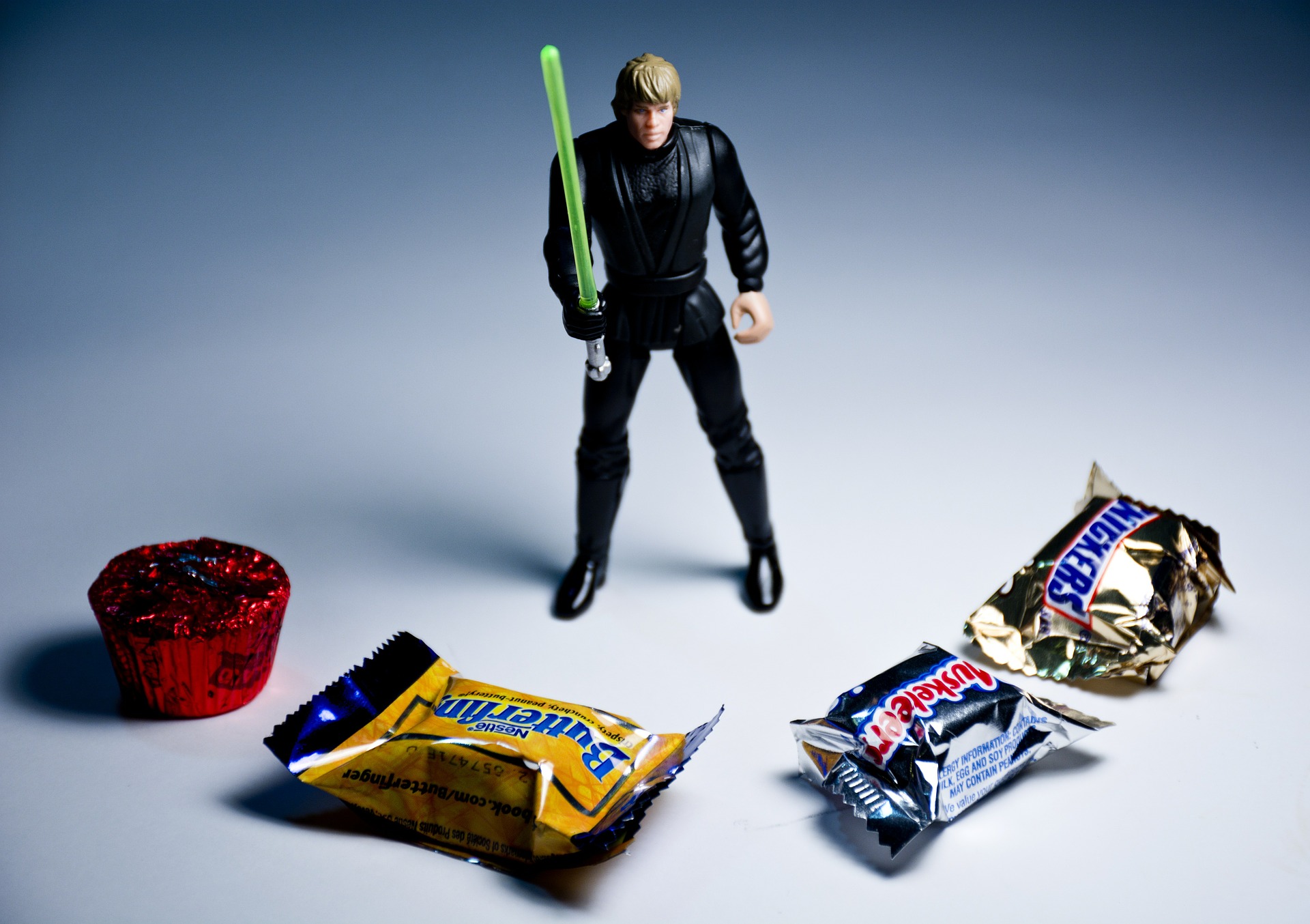
Mind over matter
About two months ago (time flies!), I wrote about embarking on a sugar-free diet. At the time, I was only a few days in, but things were going swimmingly. The rest of the journey would prove to have some ups and downs.
The plan I followed was 21 days long. The first phase included only minimal sugar from natural sources like vegetables (no fruit allowed). The next phases re-introduced fruit, honey and processed whole grains, while the final phase allowed “treats” with a small amount of added sugar.
Some of what surprised me most over the course of the plan:
 A sugar source that you most crave might not be an “obvious” sugar like cake or chocolate. I discovered that the sugar I crave most comes in carbohydrate form — especially bread products. During the plan, I might have hurt someone for a slice of pizza or a sub sandwich on a nice chewy Italian roll. But a chocolate bar? Nah, no thanks.
So, as the plan went along, I was feeling GREAT. I was wholly satisfied with the meals I ate — focusing on lean protein, unprocessed whole grains, produce, dairy and other foods in their natural state. I made sure to be prepared, cooking batches of quinoa, broiling chicken breasts and chopping veggies so I could throw meals together without much time to debate what to have. That enabled me to avoid eating something off-plan when in a pinch. Most of all, I felt even and stable. No indigestion or bloating or any similar issues. I felt clean and fueled and satisfied. I even successfully made it through a weekend away with my college roommate and our husbands at a baseball game in another city, early in the plan. (Though I do owe them a night out for drinks, because alcohol was not allowed in the first phase, and how can you visit with your college roommate without a toast or two?)
Midway through the 21 days, I’d lost some weight and I could feel the positive effects of this new eating plan. I was being proven wrong when it came to my skepticism.
And then I got cocky.
The last few days of the plan allowed you to eat a small treat each day, as a way to account for your added sugar allotment. The first couple days, I didn’t even have a treat. I confess that in part I was afraid to open the floodgates. But I also wasn’t really craving anything that badly (other than the aforementioned pizza).
That Friday night, I had a very small brownie sundae at a get-together. The next day, my husband and I set out for a weekend of bike riding. Our route would take us through some Jersey Shore towns known for pizza, so I made sure that our ride would coincide with a lunchtime stop. I reasoned that I’d count the pizza as my added sugar treat that day. I’d wanted to have a diet soda with the pizza (to me, they go together like mac and cheese) but the pizzeria we chose only offered Pepsi products, and I prefer Coke products, so I held out.
What was strange was that the pizza did not taste as good as I expected it to. It was a bit anticlimactic. Maybe I got a bum slice or two, I thought.
We went out for a seafood dinner that night. I had part of a fried tomatoes appetizer, drenched in marinara sauce. It sounded better than it was. And afterward we went for ice cream, and I had a small serving. Here came more rationalization: “I biked more than 30 miles today — I can cheat a little and overdo the sugar a bit.” I think because I was anticipating my first ice cream in 3 weeks of summer, I went a bit overboard, ordering a chocolate and peanut butter twist in a cup, with chocolate coating. (Rather than something simple, like plain vanilla, which might have been more satisfying.)
Again, though, it was anticlimactic and didn’t live up to expectations.
The next day we biked another 30+ miles. I had a couple more “cheats”: a white sandwich wrap, some french fries, a big Diet Coke. And now I started to feel like I was in the twilight zone — even the soda was not as fabulously enjoyable as I imagined it would be.
Early on Monday morning, I awoke feeling super bloated and just plain ugh. I got on the scale and couldn’t believe it. I was UP about 5 pounds from what I weighed before the weekend. Could my few “cheats” have had such a negative impact?
Long story short, it seems they did. Not only did I feel heavy and overstuffed but also sluggish and unmotivated. I couldn’t even blame the latter two effects on a weekend of bicycling because we were so conditioned from all our recent rides. I was super upset and disappointed in myself, feeling like it took me just a couple of days to completely unravel the previous weeks of doing so, so well on the plan.
As disheartened as I was, the lesson was invaluable. I couldn’t have asked for a more concrete illustration of how good it felt to eat so cleanly and with minimal added sugar. I immediately got back on track and within a few days felt great again.
Soon, I returned for my final weigh-in and was glad to find that the tide had turned. My total weight loss was more than 11 pounds. Along with that, I lost a total of 6.25 inches (arms, thighs, chest, waist, hips), with the most from my waist, which shrunk 1.75 inches.
In some ways, it’s crazy how great 11 pounds less can feel. On one hand, it doesn’t seem like a lot. But on the other, it makes me feel like a different person.
And speaking of a different person … I’ve changed in a lot of ways over the course of this endeavor, but I’ve stayed the same too. As great as I’ve felt on the plan, to be frank it’s still a struggle sometimes.
By far, the hardest part for me has been limiting myself to only one serving of processed whole grain a day. (That category includes cereal, bread, crackers, pasta.) For most of my life, I’ve been a cereal-for-breakfast and sandwich-for-lunch person. And even if I’m choosing a so-called healthy cereal like plain Cheerios or some form of Kashi, that’s still a serving of processed whole grain that contains added sugar. And even if I choose a whole wheat bread with zero or minimal added sugar, it’s still a serving of processed whole grain. Can’t have both now, so I’ve really had to adjust my typical menu. That’s still a work in progress. I also have to fight the mentality that if I’ve really adhered to the plan during most of the week, that I can balance out with some “cheats” on the weekend. That’s also still a work in progress.
So as time goes by, I’ll post more about my progress and my pitfalls. And I’ll remind myself how great I feel when all the pieces come together.
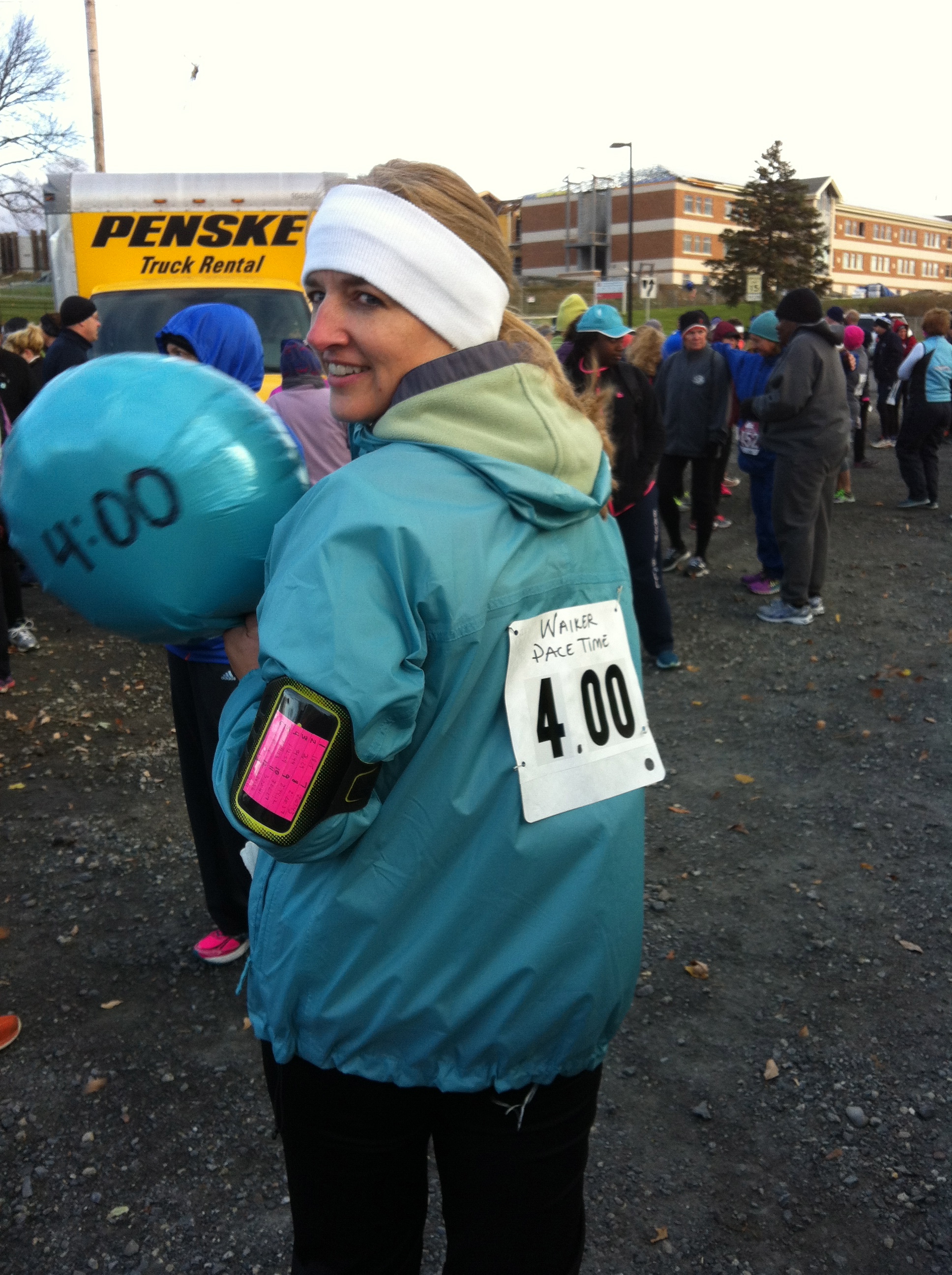
Pacer ID (disregard the Penske truck!).
Half marathon #13 is in the books for me, as is my first bout as a pacer.
It can be challenging to keep a pace different from your usual and sustain it over such a distance, especially when contending with 20 mph winds along the race course. (But at least it wasn’t raining!) The plus is that it gave me the opportunity to talk with some first-time half marathoners along the way, which is always wonderful.
And I’m so very proud of Walk With Joelle client Michele K. Today was her first half marathon as a walker, and she rocked! She finished strong and fast — and earned an award for her efforts!
The race, the Delaware & Lehigh Heritage Half Marathon, featured a walker division and awards for the top finishers among the walkers. Michele K. finished 2nd in her age group, 5th among women and 10th overall! I’ll just have to warn her not to get used to it, that walkers don’t usually earn awards in half and full marathons because so few races recognize us as a category. (Let’s hope that continues to change, and thanks to walking coach Michele Stanten for making it happen in this race!)
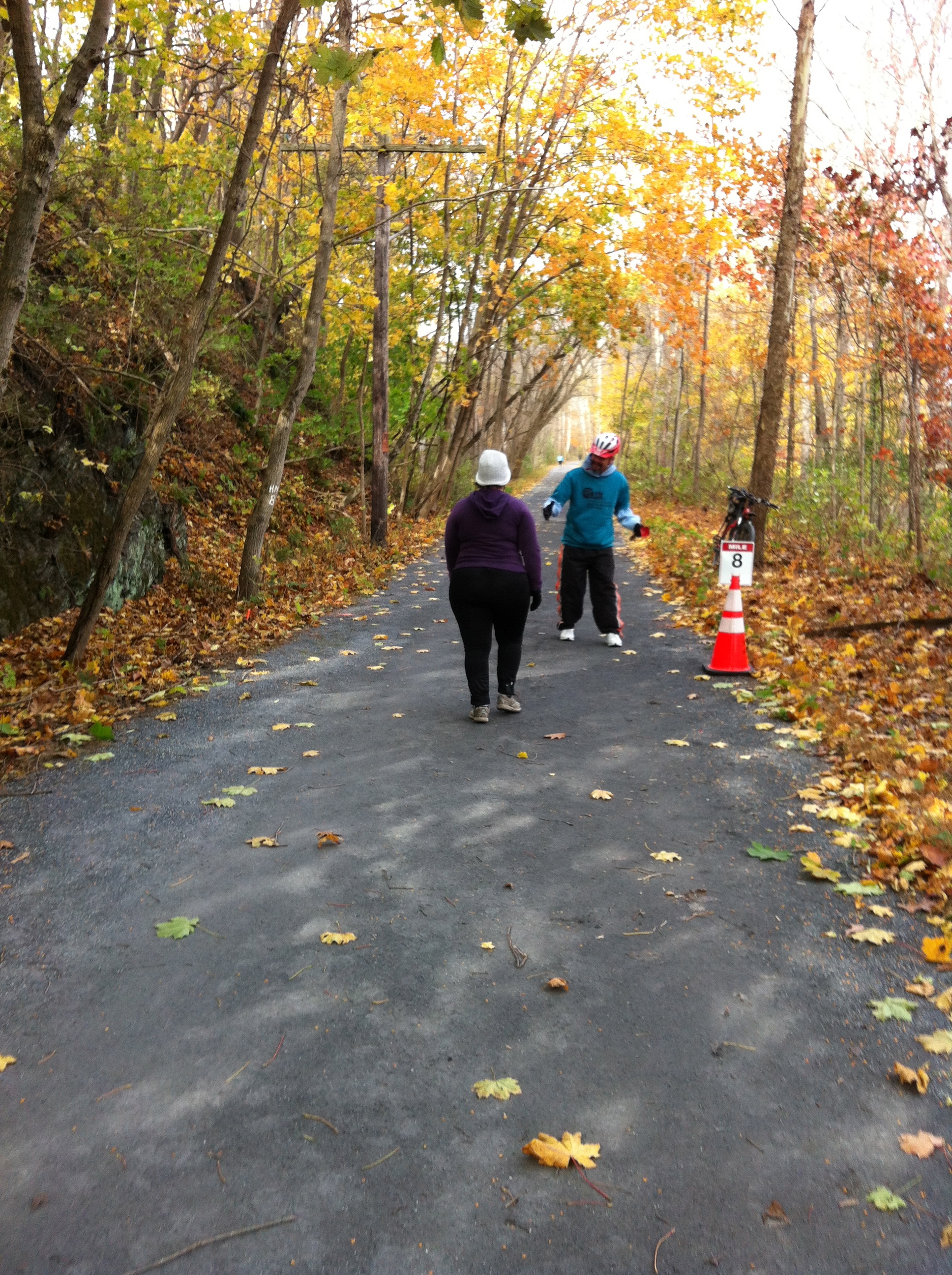
Volunteer Louie — greeting walker Alicia at mile 8 — was a terrific part of the day, biking along the course and putting in time at mile markers. His spirit was contagious!
The other great thing about this race was that several of my friends also participated, both as pacers and walkers. It’s fitting because marathoning brought us all together in the first place. Nearly 10 years ago, in my days at Prevention magazine, I was involved in its program to train readers to walk half and full marathons. Some of our readers became intimately involved with the program and were integral to its success — and the success of so many fellow race participants! And along the way we spent a lot of fun times together at races across the country. That grew to doing races “off-duty,” so to speak. And although the magazine’s program ended, the deep friendships did not.
So I’m always especially happy to spend a race weekend with friends — friends who know the time invested in training, who know the frustration when a race doesn’t go as planned, who are inspiring and motivating, and who know the joyous emotion of completing a race, whether your first or 10th or 40th (and cheer for you just as loudly from race to race). Thanks for another great weekend, ladies … even though it was too short and not a complete group reunion! And congratulations to all the walkers today too!
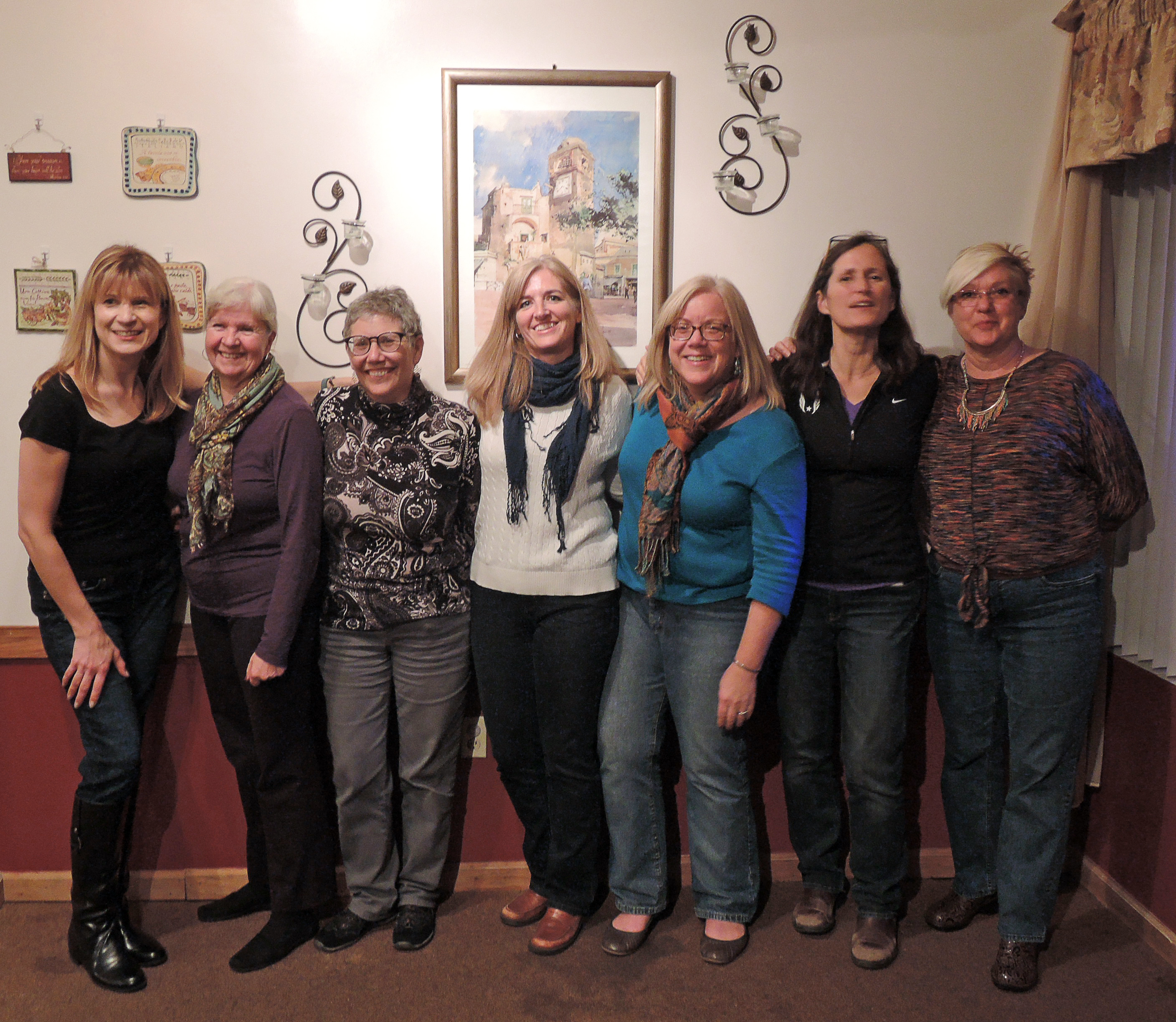
Race friends: Countless miles have been walked by these seven pairs of feet over the past nearly 10 years!
Tomorrow I’ll be doing my 13th half marathon as a walker.
This one will be a little different, though — I’m doing the race as a pacer.
It’s common in half and full marathons to have pacers for the runners. A pacer leads a group of runners to a specified finish time. Say you want to complete a full marathon in 3 hours. You’d align yourself with the 3-hour pace runner, who runs at a speed to fulfill that finish time.
It’s virtually unheard of to have pace groups for walkers. But the race I’m doing tomorrow — the Delaware & Lehigh Heritage Half Marathon Run/Walk — is pulling out all the stops to attract and support walkers. Registration categories asked if you would be running or walking, awards will be given to top walking finishers, and pace groups will be on the course for walkers specifically.
So I’ll be leading the 4-hour-finish time pace group, which translates to about an 18-minute mile. This might seem incredibly slow to some experienced half/full marathon runners and even walkers. But it’s accessible for beginners, and we all have to start somewhere and tackle our first race experience. It will be a bit of a challenge for me to pace myself at that speed — it can be difficult to walk slower than normal, and do so steadily. (My average race pace is between 13- and 14-minute miles.) It’s important to me, though, to help participants meet their goals and have a rewarding experience.
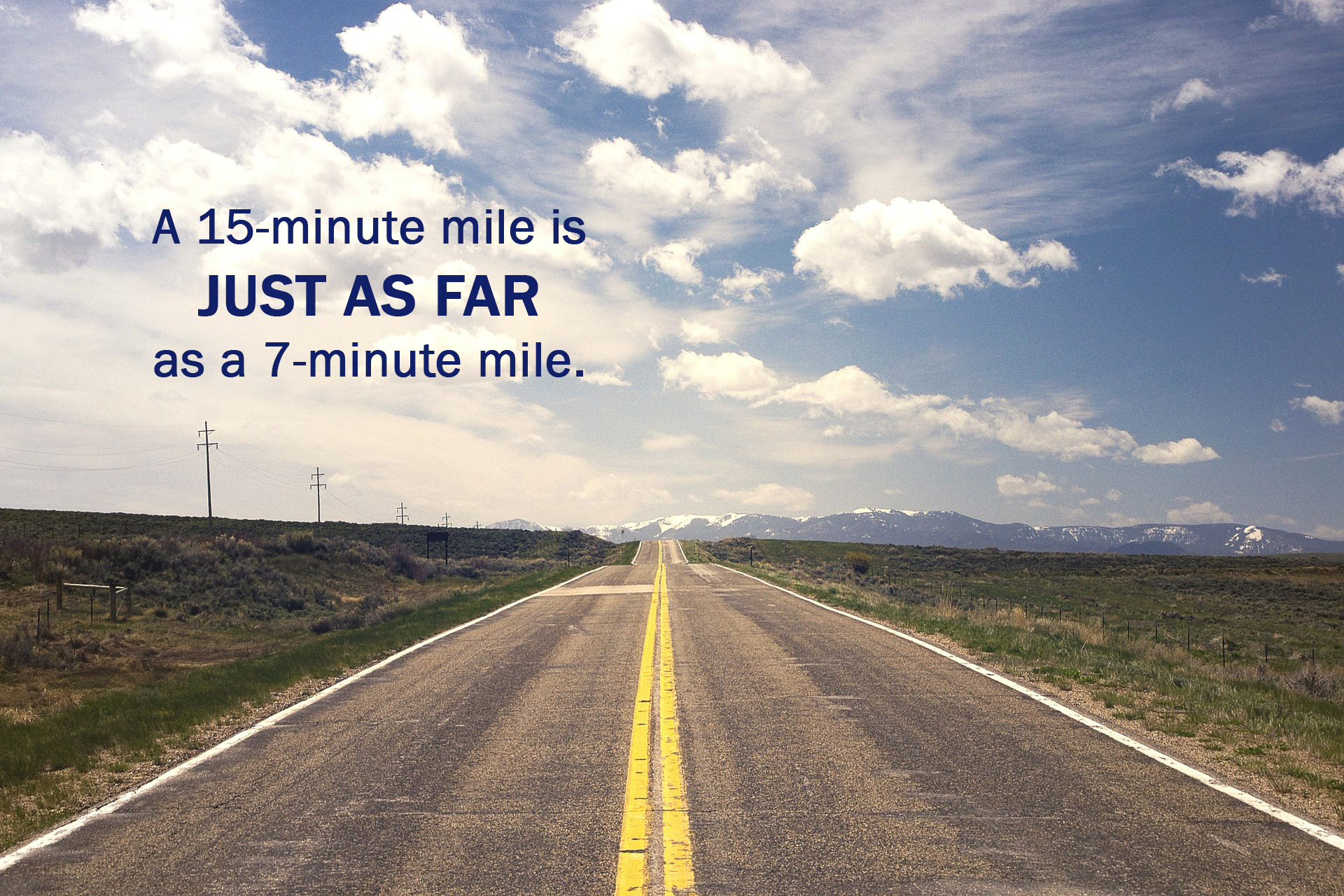
As I posted the other day, a 15-minute mile is just as far as a 7-minute mile. Ditto for an 18-minute mile. Walkers in races train just as much as runners do, and it’s no less an accomplishment to participate as a walker. We all cross the same finish line.
Happy walking!
That’s about how much was raised by participants in the Alliance for Lupus Research‘s 5K walk for lupus in New York City on Saturday.
I participated in the walk and I’m proud to say that friends and coworkers of mine donated $503 (yep, $503, not $500) toward the cause on my behalf, which I augmented with a donation of my own. One hundred percent of donations will be used toward research efforts. (And it’s not too late to donate, even though the walk has occurred: Click here.)

30-year friends, ready to walk for a cause
As I wrote a couple of weeks ago, I signed up to participate in this event to support one of my oldest friends, who has been battling lupus for 13 years. I’ve seen the ups and downs she has experienced with this tough illness — which include severe joint pain, extreme fatigue and other symptoms that have an awful impact on quality of life — and was pleased to join her in this event.
It seems counterintuitive, but exercise is vital for helping people with chronic conditions (in most cases) have better health and mobility. People suffering from joint pain, for instance, might feel that to go out for a walk would make the pain worse. But the opposite is generally true. (Refer to my recent post, “Walking and arthritis,” for more info.)
The event day was sunny and beautiful, and the 5K crowd, in the thousands, was varied. Many people had formed teams, and team captains spoke before the walk’s start about how they were there to support loved ones who are fighting lupus or even have lupus themselves. The walk’s course started at the Intrepid Sea, Air & Space Museum on NYC’s west side, went south to the Chelsea Piers complex, and back.
It was so inspiring to be a part of this cause, to help contribute toward research efforts and, most of all, to support my dear friend. I’m already thinking ahead to next year and how many people we can get to join us on event day! A two-person team is just a start.
Bragging rights aren’t the only reward for doing a race. Having a finisher’s medal draped around your neck at the end is a wonderful feeling. A medal is a celebration … validation … a form of proof, if you will, that you not only completed the distance but also (unless you’re a freak of nature) spent a lot of hours preparing to complete the distance. Wear them proudly!
For people who have osteoarthritis that affects their lower limbs, it may feel contrary to walk as exercise. It’s valid to think that it might increase pain and other unwelcome effects of this degenerative condition.
But a new study shows, in fact, that a certain amount of walking can actually reduce how much knee osteoarthritis limits your ability to keep moving.
 Walking 6,000 or more steps a day may help protect people who have knee OA from having problems with mobility — think of being able to do activities such as going up the stairs or rising from a chair.
The study was conducted by researchers at Sargent College at Boston University and was published in Arthritis Care & Research earlier this year. Researchers noted that 80 percent of OA patients find their movement to be hampered. The researchers sought to learn if more walking would bring about better functioning and, if so, how much more walking.
While boosting one’s daily step count by 1,000 did show an improvement in function (about 18 percent), the optimal benchmark to shoot for seems to be at least 6,000 steps.
That amount of steps equals roughly 2.5 to 3 miles, which might sound like a lot. But you’d be surprised how fast steps add up. It’s easy to jack up your total, by doing things like parking a bit further away at the supermarket, using the bathroom at the other end of the office, or adding an extra block to your usual stroll.
Your knees will thank you.
(And thanks to a loyal reader of Walk With Joelle for the story idea.)
 Walk With Joelle