Some of us walk fast. Some of us walk, well, not so fast. But don’t worry about your speed unless you’re trying to achieve a goal in a race. And in the meantime, know that your pace is likely just fine.
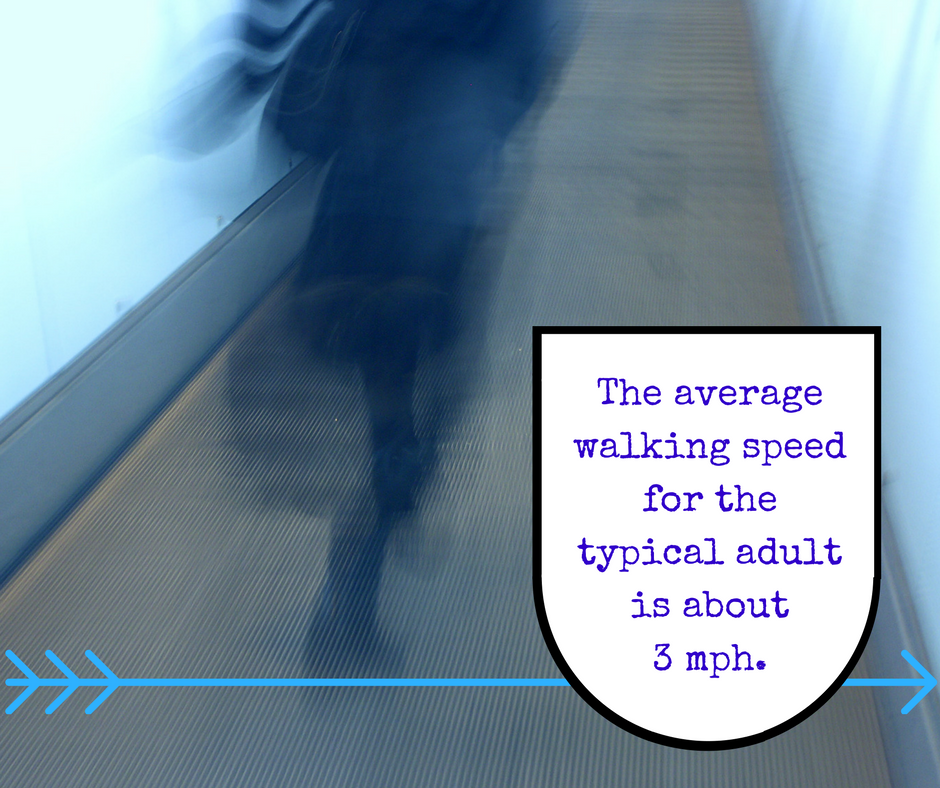
Some of us walk fast. Some of us walk, well, not so fast. But don’t worry about your speed unless you’re trying to achieve a goal in a race. And in the meantime, know that your pace is likely just fine.
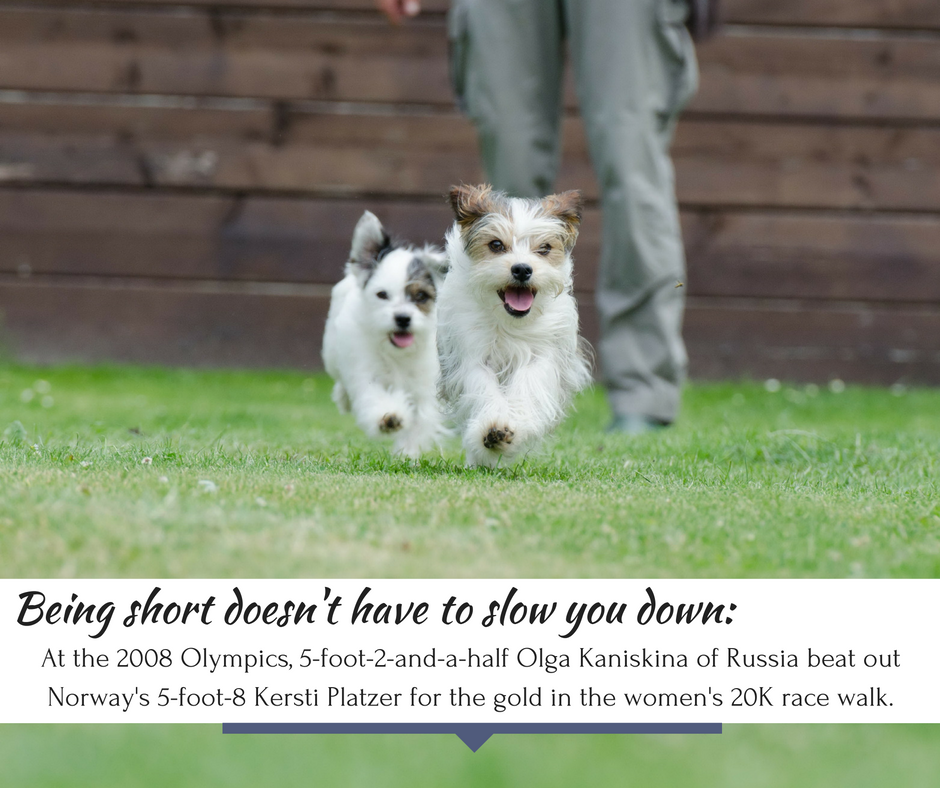
Size doesn’t necessarily matter when it comes to walking.
One of the best things about treadmills is that you know exactly how fast you’re going. But what is your average walking speed minus technology? Here’s a formula:

Happy walking!
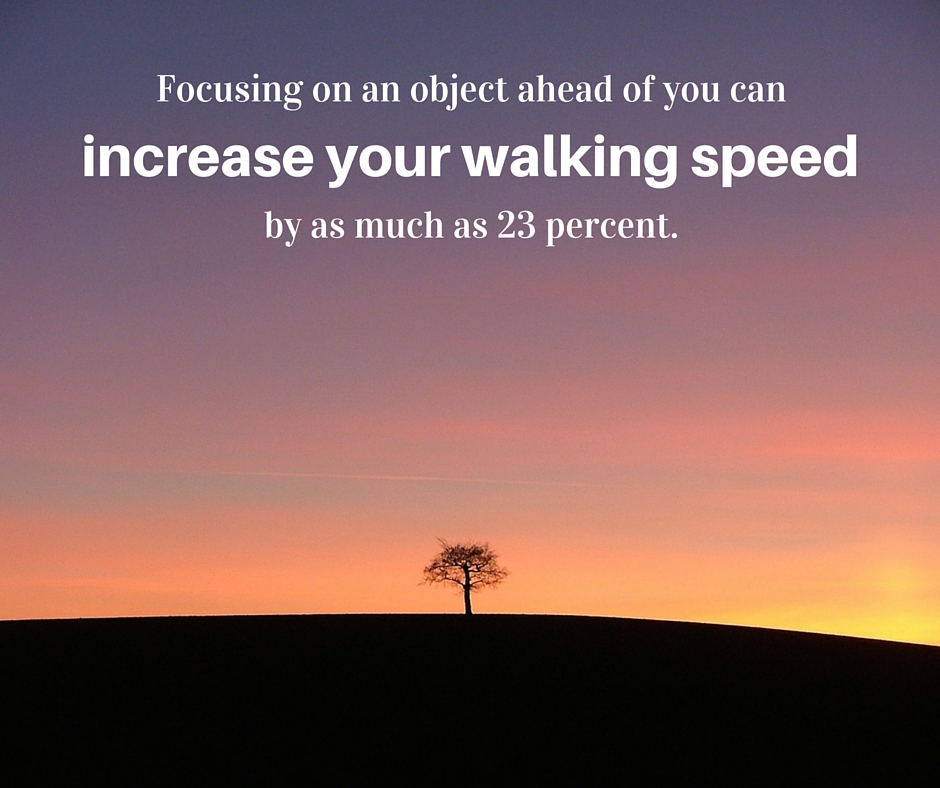
Keep your eyes on the prize and you might get there faster!
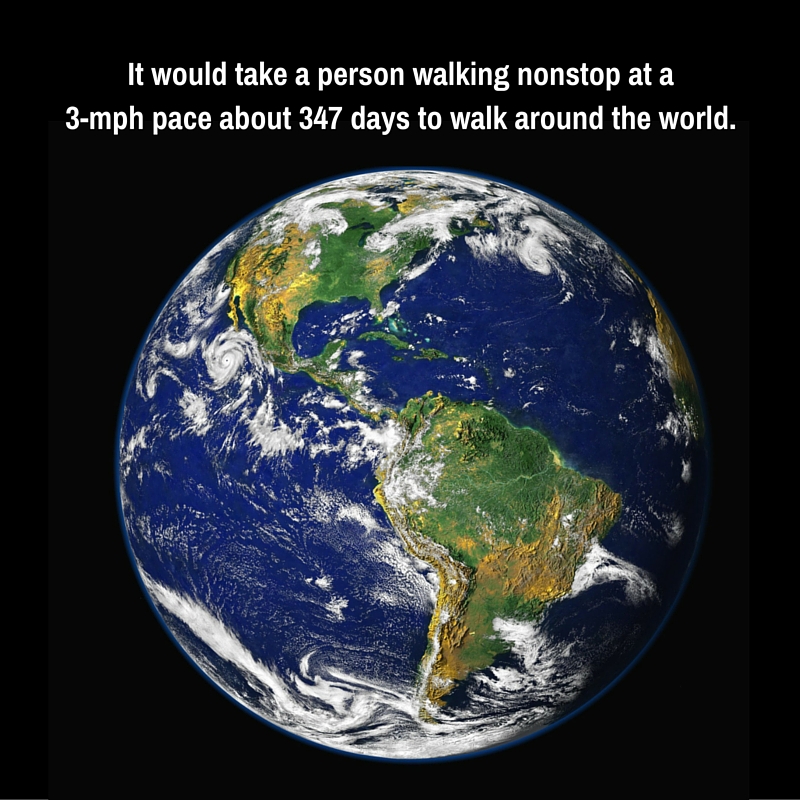
Be sure to strap on your activity tracker before this walk — that’s a lot of steps!
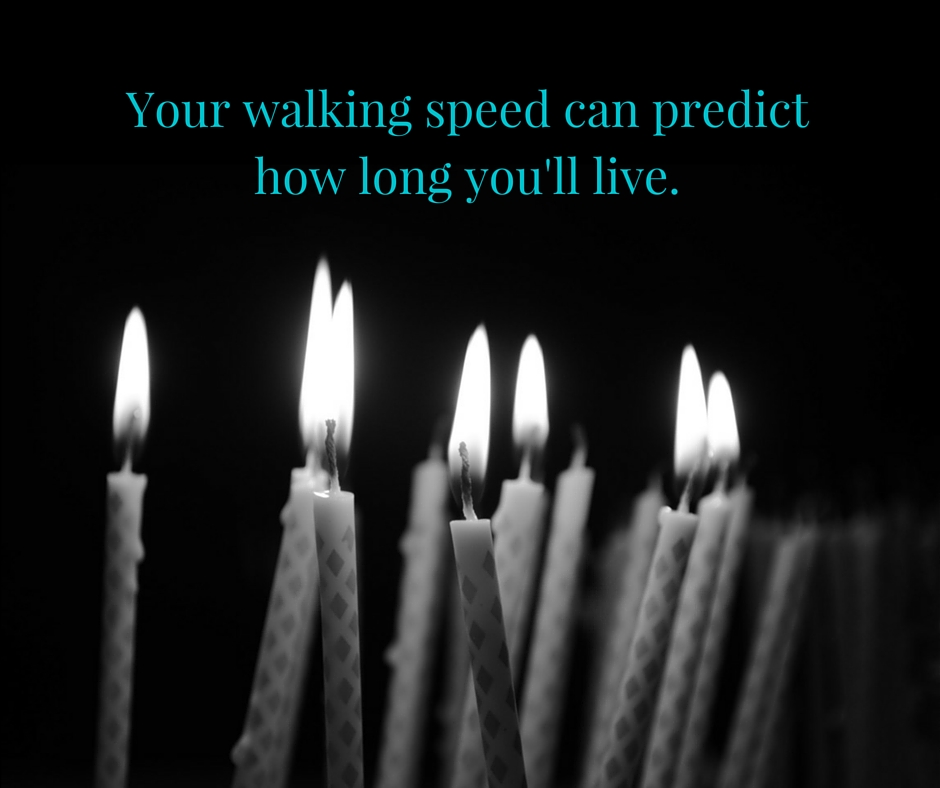
Be around to blow out those birthday cake candles for many more years…
The fastest 5K time clocked by a female walker is 21:58 (about a 7-minute mile) and by a male walker, 19:09 (about a 6-minute mile) — faster than most runners! For those who don’t remember their metric conversions, a 5K equals 3.1 miles.

New research is examining the link between an older person’s walking speed and his or her risk of developing Alzheimer’s disease.
In a study published in the journal Neurology, researchers reviewed data on almost 27,000 people from 17 countries who were at least 60 years old and did not have dementia.
The researchers used simple methods to measure walking speed and cognitive abilities, and they followed a portion of the study group for 12 years to see how many developed dementia. The researchers discovered that people who had motoric cognitive risk syndrome, which is characterized by slowing walking speeds and cognitive lapses, were more than twice as likely to develop dementia (of which Alzheimer’s is one type) over that 12-year period. “Slowing walking speeds” was defined as slower than 2.2 miles per hour.
It’s important to note that decreased walking speed alone is not a sign of impending Alzheimer’s — the combination with cognitive problems is important.
One more reason to get into the habit now of walking as a workout.
In fact, another new study suggests that, along with several other lifestyle measures, regular exercise might help reduce your odds of developing Alzheimer’s.
Done safely and with good form, exercise can help you prevent a host of health problems. And walking is one of the easiest forms of exercise there is.
 Walk With Joelle